

Key Takeaways
- An emergency fund exists solely for unplanned, urgent financial needs - not goals or purchases.
- General savings and an emergency fund should be kept in separate accounts to avoid confusion.
- The standard guidance is to save three to six months of essential living expenses.
- Liquidity matters: your emergency fund should be easy to access without penalties.
- Mixing the two types of money together makes it harder to protect either goal.
Emergency Fund
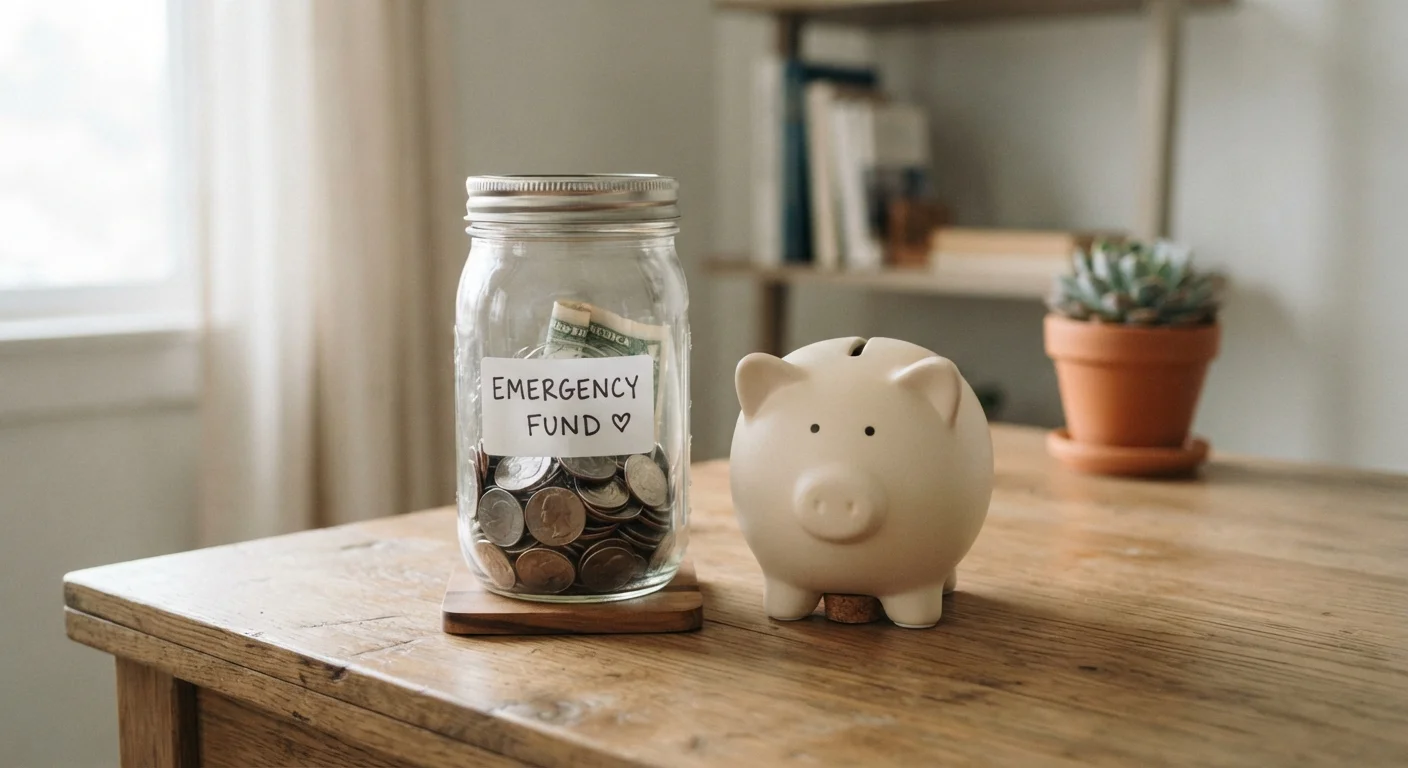
An emergency fund is money set aside specifically to cover unexpected, urgent expenses - like a sudden job loss, a medical bill, or a major car repair. Unlike general savings, it is not meant to be used for planned purchases or financial goals. It acts as a financial safety net, allowing you to handle life's surprises without going into debt.
Financial regulators and consumer advocates, including the Consumer Financial Protection Bureau (CFPB), commonly recommend keeping three to six months' worth of essential living expenses in a dedicated, liquid account.
What Makes an Emergency Fund Different
Many people assume their savings account doubles as an emergency fund. In practice, treating them as one and the same can leave you financially exposed. The two serve fundamentally different purposes, and blurring the line between them creates real risk.
General savings is money you intentionally accumulate for future goals - a vacation, a down payment, a new appliance. It is purposeful but flexible. An emergency fund, by contrast, has exactly one job: to be there when something goes wrong that you didn't see coming.
The distinction matters most under pressure. If your car breaks down and your emergency money is mixed in with your vacation fund, you face a difficult choice: drain your savings goal or put the repair on a credit card. Keeping these funds separate eliminates that dilemma.
One Fund, One Purpose
Financial educators consistently advise against combining your emergency fund with other savings goals in a single account. Even with the best intentions, money tends to blur when it shares space with vacation funds or holiday budgets. A separate account makes the boundary concrete and easier to respect when you're under stress.
The Purpose - and Limits - of an Emergency Fund
An emergency fund is not a catch-all account for every unplanned expense. It is specifically for events that are both unexpected and necessary to address immediately - job loss, a sudden illness, a furnace failure in winter, or a major car repair you cannot defer.
It is not meant for:
- Planned purchases you haven't budgeted yet
- Discretionary spending that felt impulsive
- Predictable annual expenses like insurance renewals or car registration
Those last examples are better handled by sinking funds, a separate budgeting tool that lets you prepare for known future costs in advance. Understanding the difference keeps your emergency fund intact for the moments it truly matters.
Label Your Accounts Clearly
When setting up your emergency fund, give the account a specific name - such as 'Emergency Only' - in your online banking dashboard. This small friction point makes you think twice before transferring money for non-emergency reasons. Many banks allow custom nicknames for savings accounts at no cost.
How Much You Actually Need - and Where to Keep It
The CFPB and most mainstream financial educators recommend keeping three to six months of essential living expenses saved. "Essential" means the bare minimum: housing, utilities, food, transportation, and minimum debt payments. It does not include dining out, streaming services, or other discretionary costs.
Where you keep this fund is just as important as how much you save. The account should be:
- Liquid - accessible within one to two business days without fees or penalties
- Separate - not your everyday checking or goal-based savings account
- Stable - not exposed to market risk
A dedicated savings account fits those criteria well. Some households use a high-yield savings account to earn modest interest without sacrificing access. See our overview of high-yield vs. standard savings accounts for a closer look at how those options compare.
~32%
Americans who could not cover a $400 emergency without borrowing
According to Federal Reserve survey data, a significant share of U.S. adults lack the liquid savings to handle even a modest unexpected expense.
3-6 months
Essential expenses recommended in emergency savings
The Consumer Financial Protection Bureau (CFPB) and most mainstream financial guidance point to this range as a meaningful baseline for financial resilience.
57%
Adults with less than 3 months' expenses saved
Federal Reserve research consistently finds that a majority of American households fall short of the commonly recommended emergency fund threshold.
Building and Protecting Your Fund Over Time
Starting from zero can feel overwhelming, but the goal is not to arrive at six months of expenses overnight. Even a small, consistent contribution - $25 or $50 per month - builds a meaningful buffer over time. Automating transfers so the money moves before you can spend it is one of the most effective habits you can build.
If you need a step-by-step plan for getting started, our guide on building your first emergency fund from scratch walks through practical strategies even on a tight budget.
If a crisis does require you to draw from the fund, that's exactly what it's there for - but rebuilding it should become a near-term financial priority. Our article on rebuilding an emergency fund after a financial setback offers a grounded path forward.
This article is for general informational and educational purposes only. It is not personalized financial advice. For guidance tailored to your individual circumstances, consider consulting a qualified financial professional.