

Key Takeaways
- Wellness exams cover far more than vaccinations - vets assess virtually every body system during a single visit.
- Early detection during routine exams can identify conditions like dental disease, organ changes, or lumps before symptoms emerge.
- Visit frequency should increase as pets age; many vets recommend twice-yearly exams for pets over seven.
- Bringing notes about behavior changes, diet, or new symptoms helps your vet get a fuller picture.
- Preventive care is generally less costly - financially and emotionally - than treating advanced disease.
Annual Veterinary Wellness Exam
An annual wellness exam is a scheduled, head-to-tail physical checkup performed by a licensed veterinarian - even when your pet appears healthy. It establishes a health baseline, screens for early disease, keeps vaccinations and parasite prevention current, and gives owners a chance to ask questions. For senior pets or those with chronic conditions, vets often recommend visits every six months.
Veterinarians use the term 'preventive care visit' or 'wellness exam' rather than 'annual checkup' to emphasize that the goal is proactive health surveillance, not reactive treatment.
What Vets Are Actually Doing During That Exam
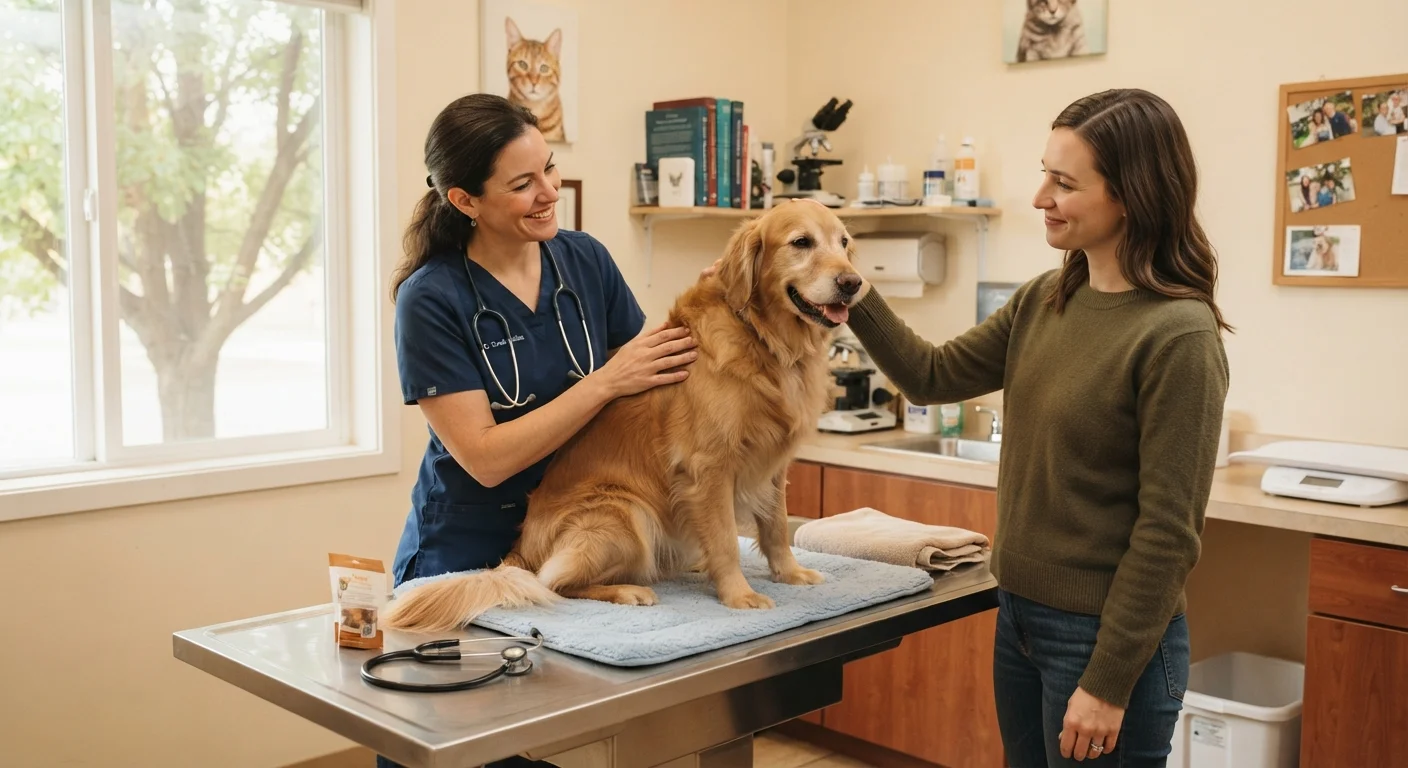
It can feel like your vet is simply listening to your pet's chest and moving on - but a routine wellness exam is a structured, systematic assessment of nearly every body system. Most vets follow a consistent pattern, even if it looks informal from across the table.
A typical exam includes:
- Eyes and ears: Checking for discharge, redness, cloudiness, infection, or early signs of cataracts.
- Mouth and teeth: Dental disease affects the majority of pets over three, yet it's often invisible to owners. Vets look for tartar buildup, gum inflammation, cracked teeth, and oral masses.
- Heart and lungs: A stethoscope listen reveals murmurs, arrhythmias, or abnormal lung sounds that owners won't detect at home.
- Abdomen: Gentle palpation checks the size and texture of organs including the liver, spleen, kidneys, and bladder, and can detect masses or pain responses.
- Skin and coat: Condition, lumps, parasites, and unusual lesions are noted.
- Lymph nodes and joints: Swollen nodes or stiff, painful joints can signal infection, inflammation, or early arthritis.
- Weight and body condition score: Obesity is one of the most common and consequential pet health problems - consistent weigh-ins track drift before it becomes a problem.
This systematic approach is why the preventive care habits that vets emphasize start with regular professional assessment, not just at-home observation.
~80%
Dogs over 3 with dental disease
The American Veterinary Dental College estimates the majority of dogs show signs of periodontal disease by age three - a condition often first identified during routine exams.
1 in 7
Pets with undetected disease at wellness visit
Veterinary studies have found that a meaningful proportion of pets presenting for routine checkups have at least one abnormal finding that owners were unaware of.
7× faster
Rate at which cats and dogs age vs. humans
Because companion animals age much faster than people, a single missed annual exam can represent a significant gap in health surveillance.
Why Frequency Matters - Especially as Pets Age
Pets age significantly faster than humans, meaning a year between exams can represent a meaningful portion of their lifespan. A dog or cat in their senior years - generally considered over seven for most breeds - can develop kidney disease, thyroid dysfunction, diabetes, or cancer within a twelve-month window with few outward signs in the early stages.
General guidance from veterinary organizations suggests:
- Puppies and kittens (under one year): Multiple visits for vaccination series, parasite management, and developmental checks. See our new pet health checklist for what to prioritize early on.
- Healthy adults (one to seven years): Once annually, or as your vet recommends based on breed and lifestyle risk.
- Senior pets (seven years and older): Every six months, with routine bloodwork and urinalysis to catch organ function changes.
Breed and species matter too. Large-breed dogs age more quickly than small breeds. Certain breeds carry genetic predispositions - for example, flat-faced dogs and cats are prone to respiratory and dental issues that warrant closer monitoring.
Keep a health journal between visits
Jot down any changes in appetite, water intake, energy level, coat condition, or bathroom habits in the weeks before your appointment. Even small observations - 'seems to drink more at night' or 'less interested in play' - give your vet valuable context that a physical exam alone can't provide. Many clinics now offer digital intake forms where you can submit these notes ahead of the visit.
Vaccinations, Parasite Prevention, and the Broader Conversation
The wellness visit is also when vets review and update your pet's preventive care plan. Vaccinations aren't simply administered on autopilot - your vet weighs your pet's lifestyle, geographic location, and risk exposure to decide which vaccines are appropriate and at what interval. Our guide to pet vaccinations explains the difference between core and non-core vaccines and how schedules are determined.
Parasite prevention is reviewed at the same time. Flea, tick, heartworm, and intestinal worm risks vary by region and season, and the right prevention protocol isn't always obvious. Understanding parasite prevention helps owners go into these conversations informed.
The visit is also a natural moment to discuss spay or neuter status for younger animals, nutrition questions, behavioral concerns, and any lumps or symptoms you've noticed but weren't sure were worth mentioning. A good rule: if you noticed it and wondered, bring it up.
This article provides general educational information about veterinary care and is not a substitute for personalized advice from a licensed veterinarian. Always consult your vet for guidance specific to your pet's health and circumstances.