

Key Takeaways
- Off-season timing is destination-specific - there is no single global slow period.
- Shoulder seasons often offer the best balance of lower prices and reasonable conditions.
- Some destinations have multiple overlapping peak seasons driven by climate, holidays, and events.
- Reduced crowds can come with reduced services - some attractions or businesses may close.
- Local events and school calendars can create unexpected demand spikes mid-off-season.
- Verifying conditions through official tourism sources before booking is always worthwhile.
Off-Season Travel
Off-season travel refers to visiting a destination during its least popular period, when crowds are smaller and prices for flights and accommodations are often lower. However, 'off-season' is not a universal calendar - it varies by destination, traveler type, and even which part of the destination you're visiting. What's slow for one traveler may be peak for another.
Travel industry professionals often distinguish between 'low season' (fewest visitors, lowest prices) and 'shoulder season' (between peak and low), each carrying different trade-offs for price, weather, and service availability.
The Myth of One Universal Off-Season
The appeal of off-season travel is straightforward: fewer tourists, lower prices, and a more relaxed experience. But the concept breaks down quickly once you start applying it to real destinations. 'Off-season' is not a fixed window on a global calendar - it shifts based on geography, climate, and who else is traveling.
A Caribbean resort might be quietest in late summer due to heat and hurricane risk, while that same period is peak season for European mountain destinations. Japan's famous cherry blossom season in spring draws enormous crowds, making it a peak period by any measure - yet autumn foliage creates a second surge that catches some travelers off guard. Understanding when a destination is actually slow requires destination-specific research, not a general rule of thumb.
How seasonality shapes what you'll actually spend on a trip goes beyond flight prices - accommodation, tours, food, and local transport all shift with demand cycles that vary by location.
Shoulder Season: The More Nuanced Middle Ground
Between the high and low seasons sits the shoulder period - and for many destinations, this is where the most interesting planning trade-offs live. Shoulder season typically offers reduced crowds and prices that are meaningfully lower than peak, without the full drawbacks of deep off-season (closures, unpredictable weather, limited services).
The catch is that shoulder seasons are also destination-specific and can be narrow. A European coastal town might have a shoulder window of just three to four weeks on either side of summer. Miss it slightly and you're back in peak pricing. Hit it right and you get tolerable weather, open restaurants, and visibly thinner crowds.
2-3x
Hotel rate increase during local festivals vs. regular off-season
Destination pricing research consistently shows that major local events can multiply accommodation costs even in typically low-demand periods.
4-6 weeks
Typical shoulder season window at many European coastal destinations
Travel industry data suggests shoulder periods are often narrower than travelers assume, sometimes spanning only a few weeks on each side of peak season.
30-50%
Potential accommodation savings in true low season vs. peak
General travel pricing patterns indicate significant rate reductions in genuine low season, though savings vary widely by destination and property type.
For travelers balancing budget with experience quality, shoulder season is often worth targeting deliberately. The challenge is identifying it accurately for each specific place - which requires checking local school holiday schedules, regional festivals, and typical weather patterns rather than relying on generalized travel advice.
Events and Local Calendars That Rewrite the Rules
Even a well-researched off-season plan can be disrupted by a local event you didn't know to look for. Major festivals, sporting events, national holidays, and trade conferences can spike hotel prices and fill accommodation for a week or more - even in months that are otherwise quiet.
New Orleans in February might look like a bargain window until you realize Mardi Gras falls there. A small European city might seem like an off-season destination until a major regional fair fills every available room. These events don't always show up in generic 'when to visit' guides, particularly if they shift dates annually or attract primarily local and regional visitors rather than international tourists.
Check the Local Event Calendar Before Assuming Off-Season Prices
Search your destination's official tourism website or city events page for the specific weeks you plan to travel. Festivals, sporting events, and trade fairs can push hotel rates to peak levels even in otherwise quiet months. Knowing about them in advance lets you either plan around them or factor the cost into your budget.
The practical implication: check the local event calendar for your destination during your planned travel window, not just the generalized seasonal overview. Official tourism board websites, city event pages, and destination-specific forums are more reliable than aggregated travel roundups for this kind of detail.
This also connects to budgeting realities. As outlined in our guide on hidden travel costs, unexpected demand spikes are one of the ways travelers get caught spending more than planned - especially when they assumed off-season pricing would hold throughout their stay.
What Actually Changes When You Travel Off-Season
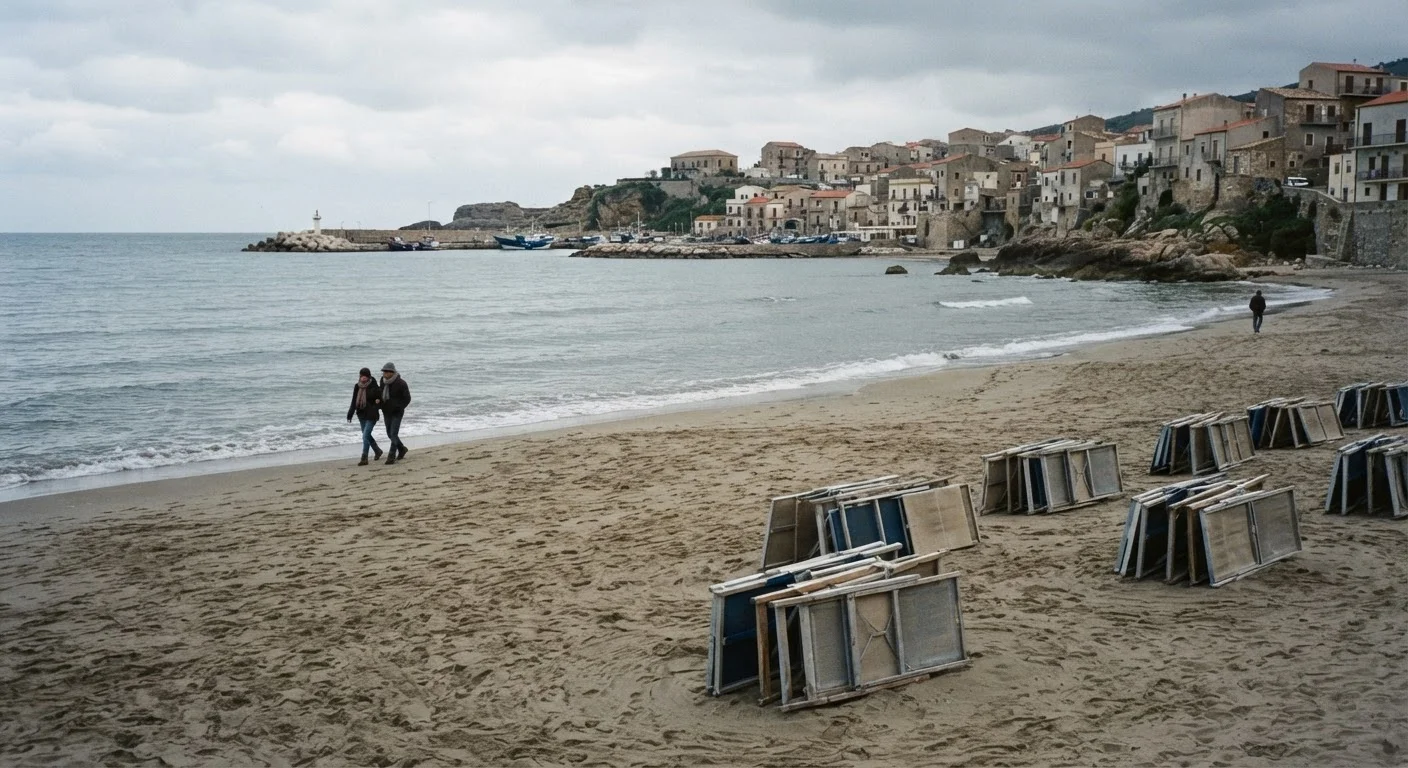
Lower prices and fewer crowds are real - but they come packaged with trade-offs that are worth understanding before you book. Reduced visitor demand means some businesses operate reduced hours, suspend service entirely, or close for the season. This is particularly common in resort towns, island destinations, and smaller tourism-dependent communities where revenue is concentrated in a few peak months.
Practically, this can mean: fewer restaurant options in the evenings, limited or suspended boat or tour schedules, hotel pools or amenities closed for maintenance, and reduced public transit frequency. None of these are dealbreakers, but they do change the texture of a trip in ways that matter for planning - especially if you have specific activities in mind.
Weather is the other variable. Off-season often correlates with a reason the crowds left: rain, heat, cold, or storms. This doesn't always mean a bad trip, but it does mean setting realistic expectations. A destination with frequent afternoon rain showers in low season can still be enjoyable if you plan accordingly - the issue arises when travelers arrive expecting peak-season conditions at off-season prices.
If you're working within a tight travel window, choosing a destination with a tight budget and limited time is a useful framework for matching timing trade-offs against what matters most to you.
This article provides general travel planning information. Prices, availability, weather conditions, and entry requirements vary and can change - always verify current details with official tourism and government sources before booking.