

Key Takeaways
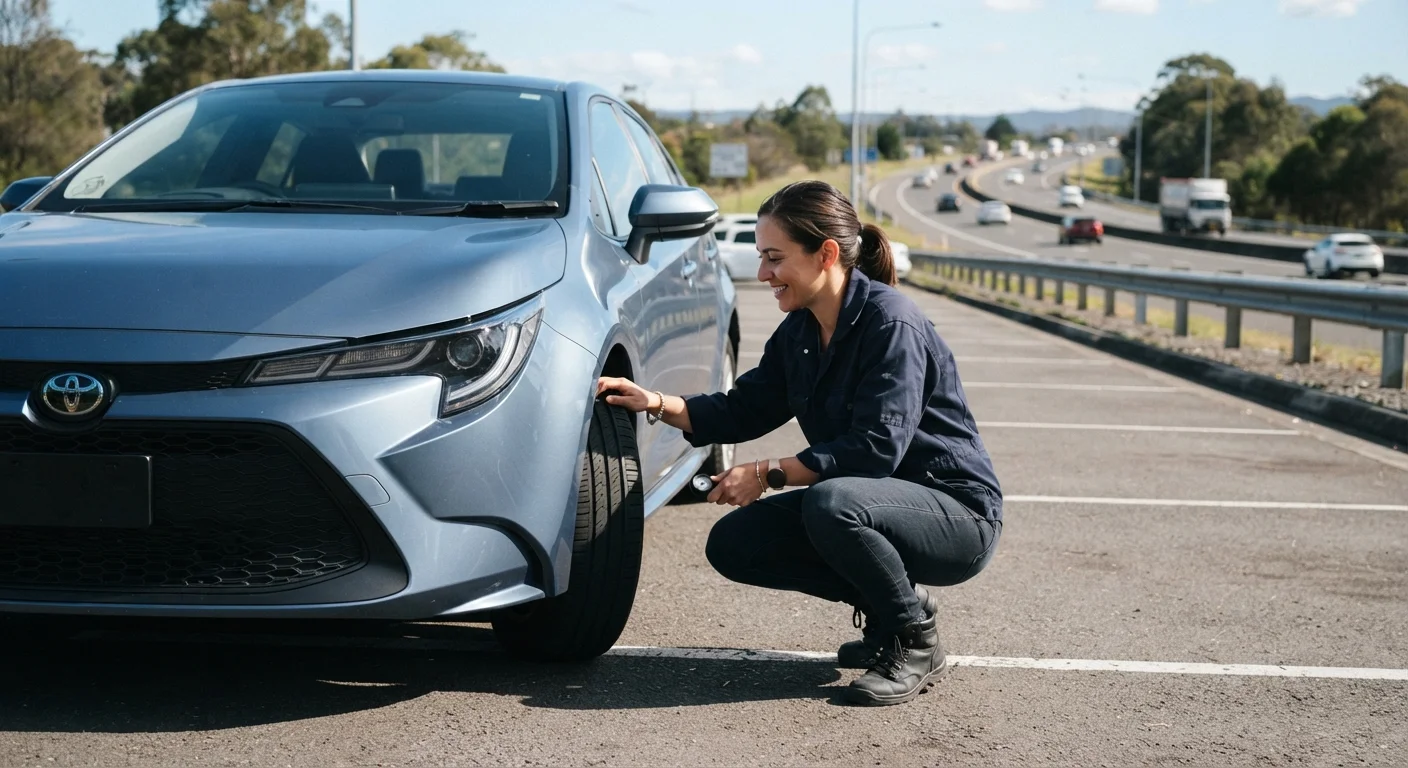
- Checking tyre pressure and tread depth before a long trip is the single highest-impact safety step you can take.
- Fluid levels - oil, coolant, brake fluid, and windshield washer - should all be verified cold before departure.
- Lights, wipers, and belts are easy to overlook but can strand you far from help if they fail mid-trip.
- Many checks require no tools and take only minutes, making this a realistic routine for any driver.
- Unresolved dashboard warning lights should be diagnosed before you leave, not monitored on the road.
Summary
22 items · 30-60 minutes
Why a Structured Check Matters Before Long Drives
A routine commute rarely exposes hidden vehicle problems - short trips at moderate speeds simply don't stress components the way sustained highway driving does. High-speed cruising for hours elevates engine temperature, pushes tyres into thermal fatigue, and drains electrical systems harder. By the time a problem announces itself on a remote stretch of highway, your options narrow considerably.
This checklist is designed to be worked through the day before departure or the morning you leave. It doesn't require a mechanic's knowledge - just a methodical walk-around and a few minutes under the hood. For guidance on how weather extremes add additional strain to these same components, see our seasonal car care guide. If your dashboard is showing any active warning lights, consult our dashboard warning lights explainer before you proceed.
Tyres
Fluids
Lights & Electrical
Wipers & Visibility
Belts, Hoses & Engine
Safety & Emergency Kit
What You'll Need
Most checks on this list require nothing more than your eyes and hands. A few benefit from inexpensive tools you can keep in the glove box year-round. Gather these before you start so the inspection flows without interruption.
Tyre pressure gauge
Accurately measures tyre inflation to ensure all four tyres and the spare are at the manufacturer's recommended PSI.
Tread depth gauge
Provides a precise measurement of remaining tyre tread, taking the guesswork out of the quarter test.
Flashlight or work light
Illuminates the engine bay, undercarriage, and tyre sidewalls when checking in low-light conditions.
Clean lint-free rags
Used for wiping the oil dipstick cleanly before re-inserting for an accurate level reading.
Glass cleaner
Removes interior windshield film that causes dangerous glare during early morning or night driving.
Jump starter pack (portable)
Allows you to self-rescue a dead battery on the road without needing another vehicle nearby.
Before You Go: Final Reminders
Once you've worked through every group in the checklist, take one final pass around the exterior - loose fuel caps, low tyre pressure, and unsecured cargo are easy to miss when you're focused on the mechanical items. If you found anything that couldn't be resolved at home, have it assessed by a qualified mechanic before you leave rather than gambling on the road.
Never Ignore an Active Warning Light Before Departing
A dashboard warning light - particularly the check engine, oil pressure, temperature, or brake warning indicators - is the vehicle's way of flagging a condition that may worsen significantly under highway load. Driving for hours with an undiagnosed warning active can convert a minor fault into a costly breakdown or a safety hazard. Have active warnings diagnosed by a qualified mechanic before your trip, not after.
It's also worth confirming your roadside assistance membership is active before departure. Even a perfectly maintained vehicle can be caught out by road debris or a nail in the tread. For a broader look at vehicle safety systems and technology that support long-distance driving, explore our Car Safety & Tech hub. And if you're planning the financial side of your trip as carefully as the mechanical side, our pre-departure budget checklist can help you account for fuel, tolls, and contingency costs.
Don't Open the Radiator Cap on a Warm Engine
Coolant systems operate under significant pressure, and a cap removed while the engine is hot can cause scalding fluid to eject forcefully. Always allow the engine to cool fully - typically at least 30 minutes after shutdown - before opening the radiator cap or coolant reservoir. For fluid top-ups, use only the reservoir, not the radiator cap directly, unless your vehicle's manual specifies otherwise.