

Key Takeaways
- Skipping routine maintenance rarely causes immediate failure, but repair costs compound significantly over time.
- Oil changes, coolant flushes, and belt replacements are among the most cost-critical services to keep current.
- A neglected vehicle typically loses resale value faster than one with a documented service history.
- Some basic maintenance tasks are straightforward enough for drivers to handle themselves with minimal tools.
- Emergency repair bills from deferred maintenance can dwarf the original cost of the skipped service.
Our Verdict
Skipping routine maintenance is a short-term saving that frequently becomes a long-term expense. While there are situations where deferring a service makes sense-such as when a vehicle is near end-of-life-for most drivers, staying on schedule is the more financially sound choice. The savings from avoided shop visits rarely offset the cost of the failures that follow.
Drivers who want to protect their vehicle investment, avoid unexpected breakdowns, and maintain predictable transportation costs will benefit most from keeping maintenance current.
Why Deferred Maintenance Feels Safe Until It Isn't
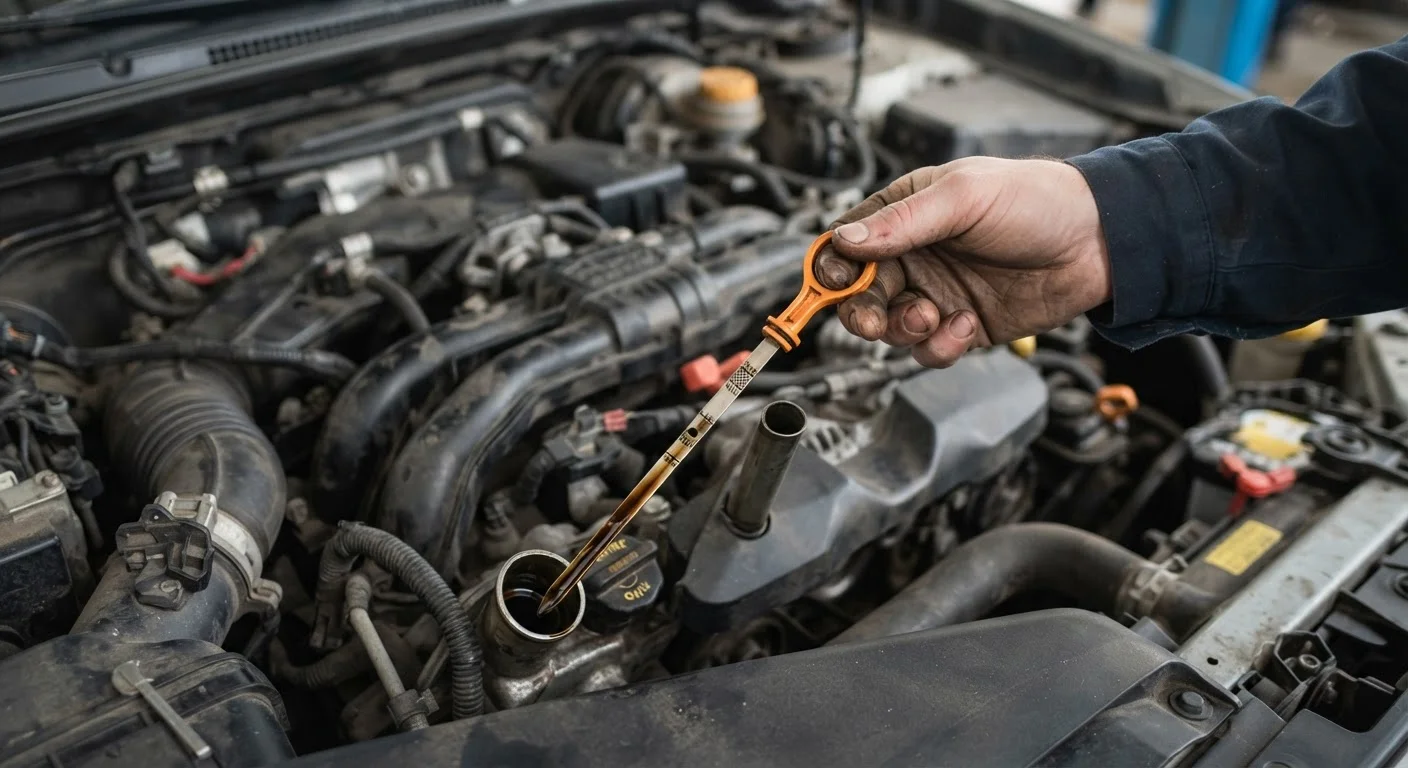
Skipping an oil change rarely triggers an immediate warning light. Ignoring a coolant flush doesn't usually strand you the next morning. This delay between cause and consequence is exactly what makes deferred maintenance so financially dangerous - the feedback loop is slow, so the behavior feels consequence-free.
In reality, engine components operate within narrow tolerances. Degraded oil loses its viscosity and film strength, allowing metal surfaces to wear against each other. A cooling system running on old coolant becomes acidic, corroding gaskets and hoses from the inside. These aren't dramatic failures - they're gradual ones that quietly shorten component life until a threshold is crossed.
Understanding the full cost of vehicle ownership helps frame why maintenance spending matters. As explored in the total cost of owning a car, maintenance is one of the most controllable ongoing expenses - and the one most directly linked to preventing larger, uncontrollable costs later.
The Real Repair Costs When Maintenance Is Skipped
The numbers reveal how quickly deferred maintenance turns expensive. An oil change typically runs between $40 and $100 depending on oil type and where it's done. A resulting sludged engine requiring replacement can cost $4,000 to $10,000 or more. A timing belt replacement - often $300 to $600 - prevents engine damage that, if the belt snaps, commonly costs $2,000 to $5,000 in bent valves and related repairs.
Coolant flushes, spark plug replacements, and transmission fluid changes follow the same pattern: modest upfront cost, severe consequences when neglected. Drivers who defer these services aren't saving money - they're borrowing against future repair budgets at a very unfavorable rate.
$1,986
Average annual vehicle maintenance and repair cost
According to AAA's annual Your Driving Costs study, US drivers spend roughly this amount per year on vehicle upkeep - a figure that rises sharply when deferred maintenance leads to major repairs.
4-10x
Cost multiplier from skipping timing belt service
Industry repair data consistently shows that replacing a failed engine after a timing belt snaps costs many times more than the belt replacement itself would have.
35%
Of breakdowns linked to preventable maintenance
AAA estimates that a significant share of roadside assistance calls involve issues - including battery failure, tire problems, and overheating - that routine maintenance would likely have caught or prevented.
Beyond mechanical costs, a poorly maintained vehicle depreciates faster. Depreciation is already the largest hidden cost of ownership, and a missing service history accelerates that loss when it comes time to sell or trade in.
What Drivers Can Reasonably Handle Themselves
Not every maintenance task requires a shop visit, and tackling some jobs at home can make staying on schedule more practical and affordable. Checking and topping off fluids, replacing engine air filters, swapping cabin air filters, and monitoring tire pressure are tasks most drivers can perform safely with basic tools and owner's manual guidance.
The line between DIY and professional work matters, though. Understanding where that line sits prevents well-intentioned work from creating new problems. Brake system work, suspension components, and anything involving the fuel system generally warrant a qualified mechanic - not because the tasks are impossible, but because the safety margin for error is narrow.
For drivers weighing how to manage servicing costs over years of ownership, practical strategies for keeping running costs predictable can help prioritize where to spend and where to save.
When to Consult Your Owner's Manual First
Manufacturer service intervals in the owner's manual are the most reliable guide for your specific vehicle - not generic mileage rules circulating online. Many modern vehicles equipped with oil life monitoring systems will alert you when a change is actually needed based on driving conditions, rather than on a fixed mileage clock. Following the manufacturer's schedule rather than blanket rules can prevent both over-servicing and under-servicing.
Building a Maintenance Mindset That Actually Sticks
The most effective approach to routine maintenance isn't mechanical knowledge - it's scheduling discipline. Using a simple spreadsheet, a phone reminder, or a mileage log tied to the owner's manual service intervals removes the guesswork. Many manufacturers publish recommended service schedules in the owner's manual and online, specifying what needs attention at 5,000, 15,000, 30,000, and 60,000 miles.
It also helps to separate fact from habit. Some widely repeated maintenance advice is outdated or simply incorrect. Common car care myths - like the 3,000-mile oil change rule that most modern vehicles have long outgrown - can lead drivers to overspend on some services while underserving others.
Finally, treating an emergency repair fund as part of vehicle ownership planning cushions the financial impact when something unexpected does occur. The fundamentals of building an emergency fund apply here directly: a few hundred dollars set aside specifically for vehicle repairs can prevent a single breakdown from creating a broader financial disruption.