

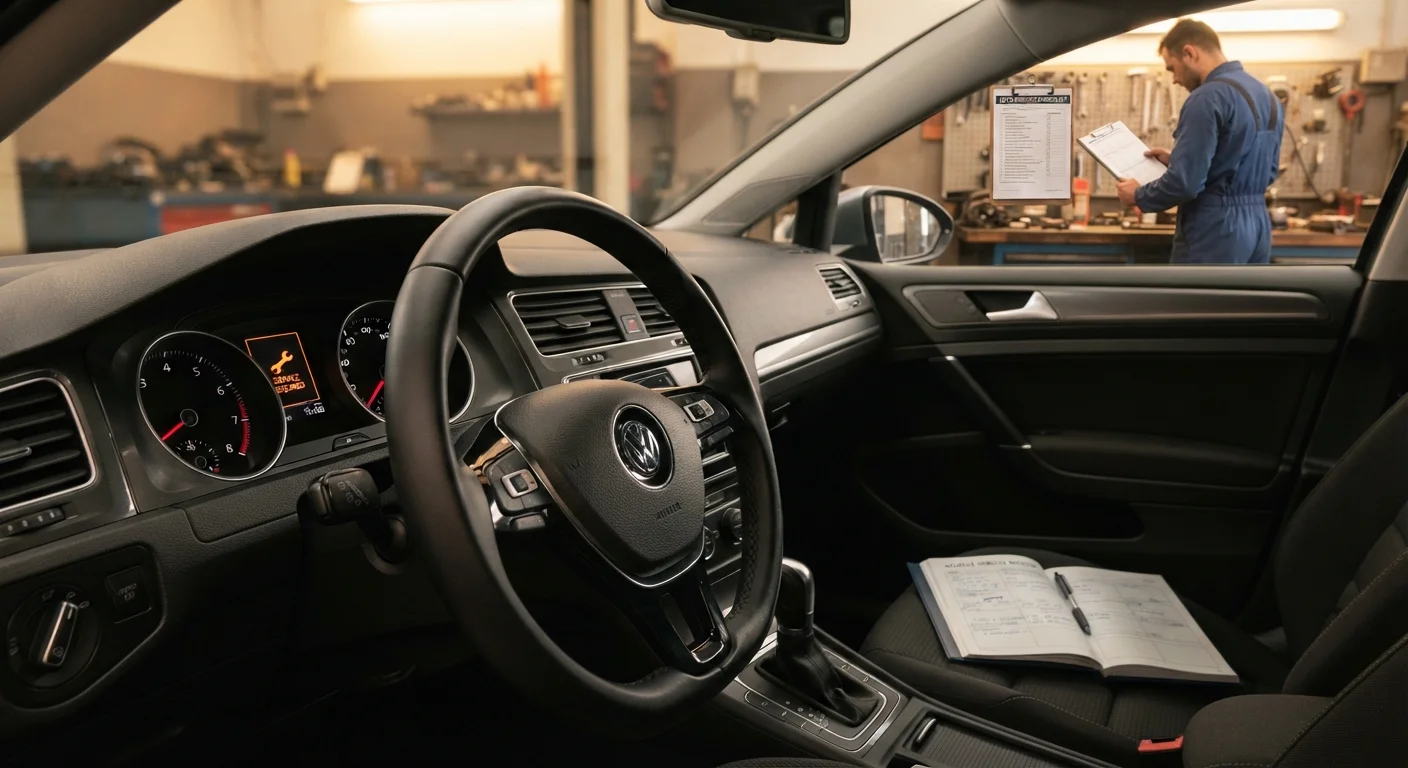
Key Takeaways
- Your owner's manual is the authoritative source for your vehicle's specific service intervals.
- Maintenance intervals are triggered by mileage, elapsed time, or driving conditions - whichever comes first.
- Skipping scheduled services can void warranties and accelerate mechanical wear.
- Modern cars often use an oil life monitoring system to calculate change intervals dynamically.
- Keeping service records supports resale value and helps identify recurring issues early.
Vehicle Maintenance Schedule
A maintenance schedule is a manufacturer-specified plan that outlines which services your vehicle needs and when - measured in miles, months, or both. It covers everything from oil changes and tire rotations to brake inspections and fluid replacements. Following it keeps your car operating safely and efficiently, and helps you avoid expensive repairs caused by neglect.
Most modern vehicles distinguish between a 'normal' and a 'severe' service schedule - the latter applies when you regularly drive in stop-and-go traffic, extreme temperatures, towing conditions, or dusty environments.
What a Maintenance Schedule Actually Covers
A maintenance schedule isn't a single service event - it's a layered series of tasks staggered across your vehicle's lifetime. Some items recur frequently, while others are checked only once every several years. Understanding what falls into each category helps you plan ahead rather than react to breakdowns.
Common service intervals include:
- Every 3,000-10,000 miles: Oil and filter changes (interval depends on oil type and vehicle - check your manual)
- Every 5,000-7,500 miles: Tire rotation to promote even tread wear
- Every 15,000-30,000 miles: Air filter replacement, battery inspection, brake inspection
- Every 30,000-60,000 miles: Transmission fluid, coolant flush, spark plug replacement
- Every 60,000-100,000 miles: Timing belt or chain inspection, major fluid overhauls
For a comprehensive overview of each task and what it protects, see our complete owner's maintenance primer.
~35%
Drivers who skip at least one scheduled service annually
Industry surveys from automotive service associations have consistently found that a significant portion of drivers delay or miss at least one manufacturer-recommended service each year.
Up to $1,200+
Average cost of engine damage from neglected oil changes
Repair cost estimates from automotive service data suggest that engine damage attributable to oil degradation commonly exceeds $1,200, far outpacing the cost of routine oil changes.
30,000-60,000 miles
Typical range for transmission fluid replacement
Most manufacturers specify transmission fluid service somewhere in this range, though the exact interval varies by vehicle type and whether the transmission is automatic or manual.
What Triggers a Service Interval
Manufacturers set service intervals based on two primary triggers: mileage and elapsed time. The rule of thumb is to follow whichever comes first. A vehicle driven only 4,000 miles in 12 months may still need an oil change based on age alone, because oil degrades chemically even when the car sits idle.
Many vehicles built in the last decade also include an oil life monitoring system (OLMS) - a computer that tracks engine load, temperature cycles, and RPM data to calculate when oil has degraded enough to need replacement. This replaces the fixed-mileage sticker on the windshield with a dynamic percentage readout on the dashboard. Understanding what engine oil ratings mean helps you match the right oil to your vehicle when the time comes.
A third trigger - driving conditions - affects whether you follow the normal or severe schedule. If your commute involves frequent short trips, idling in traffic, towing, or temperature extremes, your vehicle experiences more stress per mile than the normal schedule assumes.
Check Your Driving Conditions Honestly
Many drivers assume they qualify for the normal maintenance schedule, but city driving, short daily trips, and seasonal temperature extremes are all factors that push a vehicle into the severe-use category. Review your manufacturer's definition of 'severe duty' in the owner's manual - it's usually just a page or two from the maintenance table. Using the correct schedule prevents premature wear and keeps your warranty intact.
Why Sticking to the Schedule Matters
Maintenance intervals aren't arbitrary - they reflect the engineering tolerances of each component. Fluids break down, filters clog, and rubber hoses harden on predictable timelines. When a service is skipped, the protective margin built into that interval erodes, and the risk of a cascade failure rises.
There are also financial and legal implications. Many new-vehicle warranties require documented adherence to the manufacturer's maintenance schedule. Failing to keep records can complicate a warranty claim if a covered failure is linked to a missed service. Additionally, a well-documented maintenance history is one of the clearest signals of vehicle value when you eventually sell - a point explored further in our guide on managing vehicle running costs over the long term.
If you're weighing whether an extended warranty is worth adding to your ownership plan, understanding how it interacts with scheduled maintenance requirements is essential. Our article on extended warranties and what they cover walks through those details.
How to Stay on Top of Your Schedule
The most practical tool available to you costs nothing: your owner's manual. Keep it in the glove box and refer to the maintenance section whenever a service reminder appears. For vehicles without an OLMS, a simple mileage log - even a note on your phone - removes the guesswork about when the next service is due.
A few habits that make schedule adherence easier:
- File your service receipts. Whether you visit a shop or handle tasks yourself, keep dated records of what was done and at what mileage.
- Set calendar reminders. If you know your oil change interval is 6 months or 6,000 miles, schedule a reminder for whichever comes first.
- Review before long trips. A pre-trip check against your schedule can surface due services before you add highway miles on top of city wear.
- Ask at every shop visit. A trusted mechanic can flag upcoming services during a routine appointment, so nothing catches you off guard.
Owning a vehicle involves more than reacting to warning lights - it's a long-term relationship with a depreciating asset. For a complete picture of that journey, see our vehicle ownership roadmap from purchase to resale.