

Key Takeaways
- Most pre-trip checks take under 15 minutes and require no special tools.
- Tires, fluids, lights, and brakes are the four systems most likely to cause highway trouble.
- Carrying an emergency kit turns a potential roadside crisis into a manageable inconvenience.
- Weather and load conditions should influence what you prioritize before departure.
- Catching a small problem before a trip is almost always faster and cheaper than fixing it on the road.
Summary
22 items · 5-15 minutes
Why a Pre-Trip Check Matters More on Long Drives
Short city trips are forgiving - if something minor goes wrong, you're rarely far from help. A long highway drive changes the equation entirely. Higher sustained speeds stress tires, cooling systems, and brakes differently than stop-and-go traffic. Distance from service stations increases the stakes of even a small mechanical issue.
The good news: the checks that matter most are quick, require no mechanical expertise, and need nothing more than your eyes, a tire gauge, and a few minutes. Working through the car maintenance fundamentals that apply before every journey is one of the most reliable ways to avoid a trip-ending breakdown.
Think of this checklist not as a burden but as five to fifteen minutes of insurance. It's the same principle that pilots use with a pre-flight walkthrough - not because problems are common, but because catching them early is always better than dealing with them mid-journey.
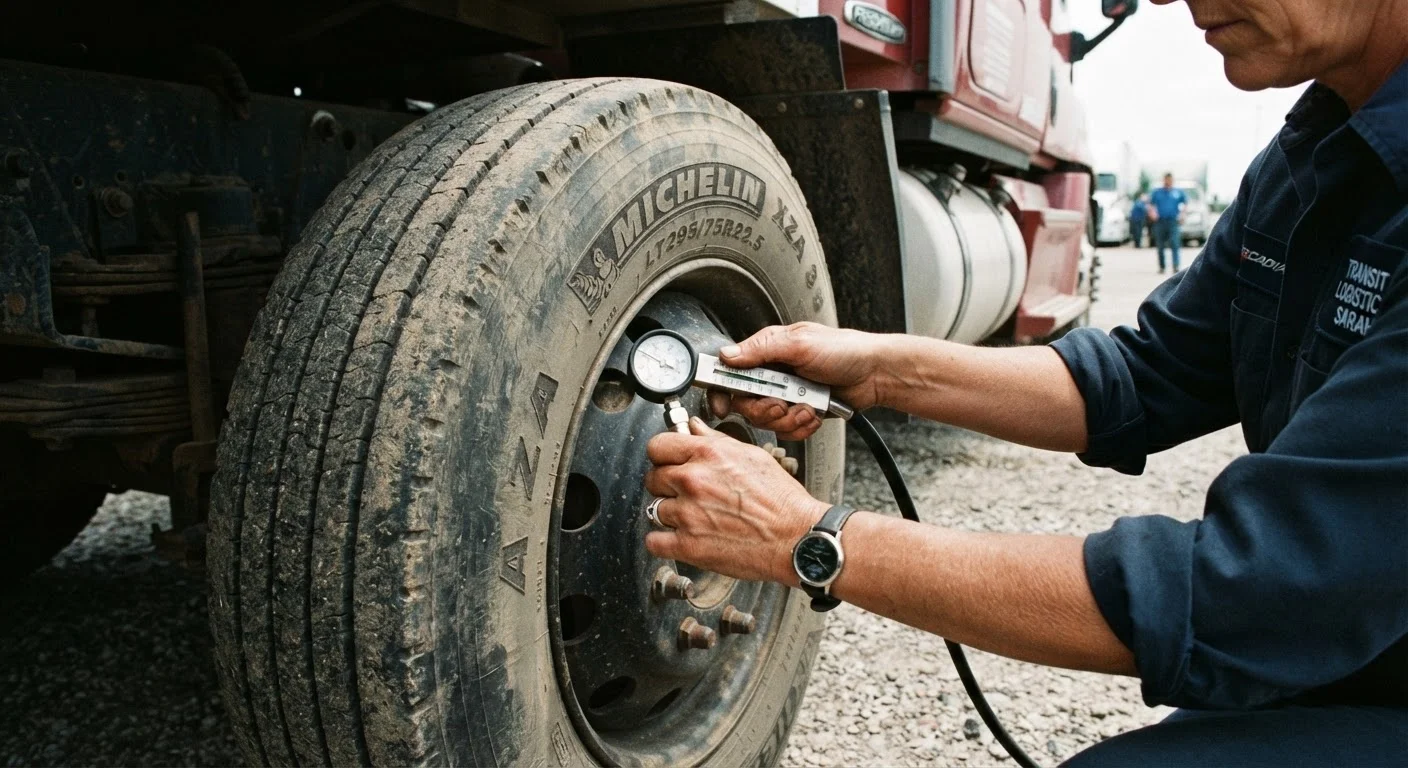
Tire Pressure Gauge
Accurately measures tire PSI so you can inflate to the manufacturer's specification before departure.
Tread Depth Gauge or Quarter Coin
Lets you quickly assess whether remaining tread depth is safe for highway driving.
Jumper Cables or Portable Jump-Start Pack
Provides a recovery option if the battery fails during the trip.
Flashlight
Helps you inspect under the hood, check fluids, and stay visible during a nighttime breakdown.
Reflective Warning Triangles or Road Flares
Alerts other drivers if you need to stop on the shoulder, reducing collision risk.
Basic First-Aid Kit
Covers minor injuries until professional help arrives in a roadside emergency.
How to Work Through This Checklist Efficiently
Do your check the evening before departure or first thing in the morning - not five minutes before you pull out of the driveway. This gives you time to address anything you find. A burned-out brake light or low tire is a quick fix when you're still at home; it becomes a much bigger problem on an interstate.
Work in a logical order: start outside the vehicle with a full walk-around (tires and lights), then open the hood (fluids), and finish inside (documents and driver readiness). If your vehicle has been sitting overnight, fluid levels will be more accurate and the engine will be cool enough to inspect safely.
For cold-weather travel, tires and the battery deserve extra attention - see our deeper guide on preparing for temperature extremes for what changes with the seasons. Similarly, if you've noticed slow cranking or dim lights lately, review battery warning signs before you rely on your vehicle for a long haul.
Tire Pressure Changes With Temperature
Tire pressure drops roughly 1 PSI for every 10°F decrease in ambient temperature. If you're departing on a cold morning or driving into significantly colder conditions, check pressures before you leave - not just the day before. Under-inflated tires run hotter, wear unevenly, and handle poorly at highway speeds.
The Full Pre-Trip Safety Checklist
Use the groups below to work through each system in order. Items marked must are non-negotiable for highway travel. Items marked should are strongly recommended. Nice-to-have items add an extra margin of safety worth including when time allows.
Tires
Fluids
Lights & Visibility
Brakes & Steering
Emergency Preparedness
Driver Readiness
Never Open a Hot Radiator Cap
Coolant in a hot engine is under pressure and can cause serious burns if the cap is removed too soon. Always wait at least 30 minutes after switching off the engine before inspecting the radiator or coolant reservoir. If coolant is consistently low, have a qualified mechanic check for leaks before the trip - do not simply top it off and drive.
Low Brake Fluid May Indicate a Serious Problem
Brake fluid level drops naturally as pads wear down, but a sudden or significant drop can signal a leak in the brake line or caliper - a condition that could lead to brake failure. If you notice the level has fallen noticeably since your last check, do not defer this to a post-trip inspection. Have a qualified mechanic assess the brake system before you depart.
After the Check: What to Do If You Find a Problem
If you identify a serious issue - spongy brakes, a significantly low tire that won't hold pressure, coolant that's consistently dropping - do not plan to address it at your destination. These are conditions that can deteriorate rapidly at highway speeds. Have a qualified mechanic evaluate the vehicle before departure.
For minor items like a burned-out turn signal bulb or low washer fluid, most auto parts stores can supply what you need quickly and many will help with a simple bulb swap. Keep receipts; routine maintenance documentation adds value to your vehicle's service history.
If your trip involves significant expense - hotels, tickets, or non-refundable bookings - it's worth pairing a vehicle check with a review of your travel budget and contingency funds. Our pre-departure budget checklist covers the financial side of being prepared before any journey.
A well-prepared vehicle is the foundation of a safe trip. Everything else - route planning, rest stops, weather awareness - builds on knowing your car is mechanically ready to make the drive.