

Key Takeaways
- Nutrient density measures nutritional value relative to calorie content, not just the presence of nutrients.
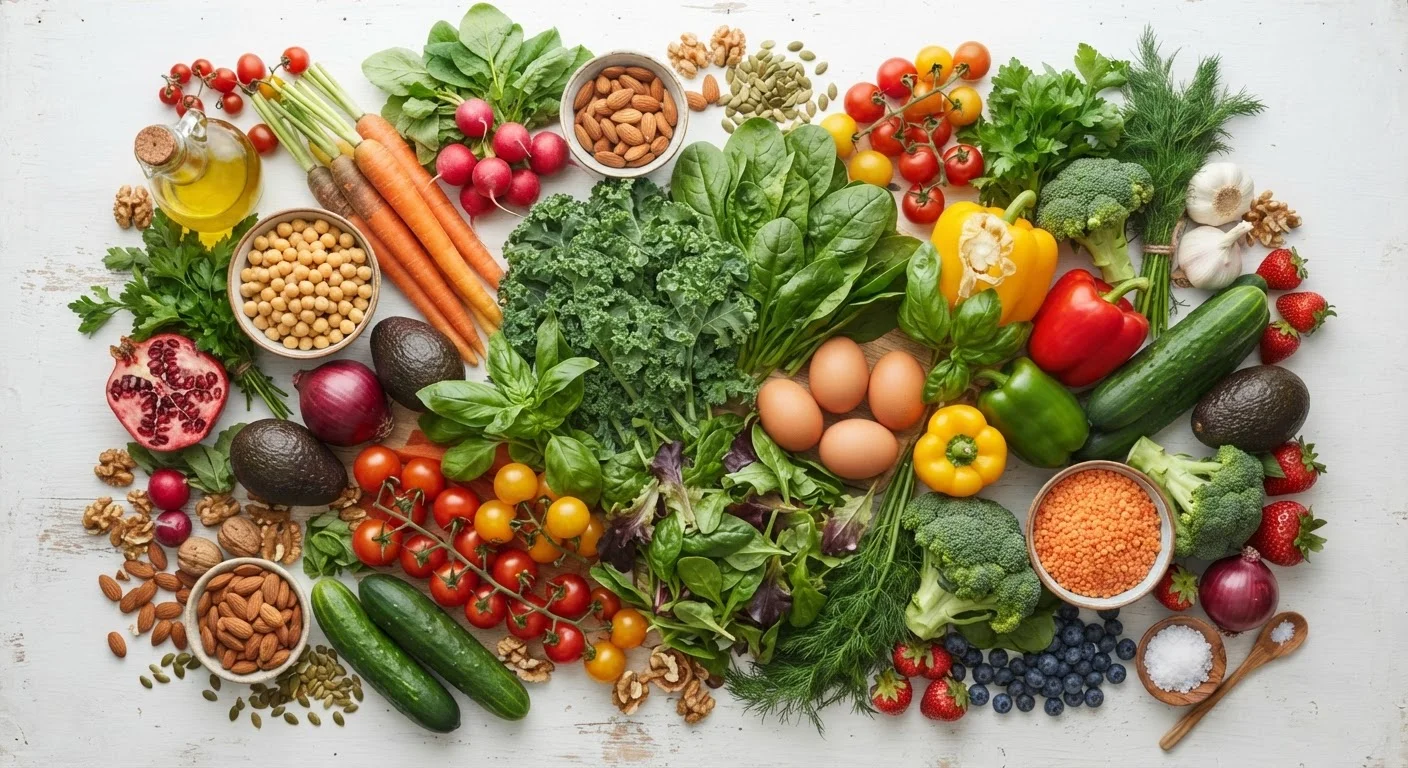
- Whole foods like leafy greens, legumes, and eggs are classic examples of high nutrient density.
- Calorie counting alone doesn't capture food quality - nutrient density adds a critical dimension.
- Ultra-processed foods often deliver high calories with comparatively low nutritional return.
- Applying this concept doesn't require tracking apps - it's a practical mental framework for everyday choices.
Nutrient Density
Nutrient density describes how much nutritional value - vitamins, minerals, protein, fiber, and beneficial compounds - a food delivers relative to the calories it contains. A food is considered nutrient-dense when it provides a high concentration of beneficial nutrients without a disproportionate number of calories. This concept shifts the focus from simply counting calories to evaluating the overall quality and usefulness of what you eat.
Researchers and dietitians sometimes calculate nutrient density using scoring systems (such as the Nutrient Rich Foods Index) that weight specific micronutrients per 100 calories, though no single universal formula exists.
Why the Calorie Frame Is Incomplete
For decades, public nutrition guidance leaned heavily on calories - how many you consume, how many you burn. That framing is not wrong, but it is incomplete. Two foods can contain the same number of calories while delivering vastly different nutritional returns. A handful of almonds and a small portion of a sugary snack may register similarly on a calorie counter, yet they offer entirely different packages of protein, healthy fats, fiber, vitamins, and minerals.
This gap is precisely what nutrient density addresses. Rather than asking only how much energy does this food provide?, nutrient density asks what does this food deliver in exchange for that energy? It reorients the conversation from quantity to quality - a shift that nutrition researchers and registered dietitians have long advocated. For a fuller picture of why calorie-focused thinking has limits, see why calorie counts tell only part of the story.
~60%
of US daily calories from ultra-processed foods
Research published in BMJ Open estimated that ultra-processed foods account for roughly 57-60% of daily caloric intake among US adults, foods that are frequently low in nutrient density.
9 in 10
Americans fall short on vegetable intake
According to CDC dietary data, approximately 9 in 10 Americans do not meet recommended daily vegetable consumption - a key source of nutrient-dense calories.
3x
More micronutrients in whole vs. refined grains
The refining process that produces white flour removes the bran and germ, stripping out roughly two-thirds of the fiber and many vitamins and minerals present in whole grain form.
What Makes a Food Nutrient-Dense?
A nutrient-dense food is one that provides substantial amounts of beneficial nutrients - vitamins, minerals, dietary fiber, high-quality protein, and beneficial phytocompounds - relative to its caloric load. Whole foods tend to score well by this measure. Dark leafy greens, legumes, eggs, fatty fish, berries, and plain nuts are frequently cited by nutrition researchers as particularly nutrient-dense choices.
On the other end of the spectrum sit foods that nutritionists sometimes describe as having low nutrient density or being "empty calorie" sources - products that deliver significant energy primarily through added sugars, refined starches, or low-quality fats, with minimal micronutrient return. Many ultra-processed snack foods, sugar-sweetened beverages, and heavily refined grain products fall into this category.
It's worth noting that nutrient density is not a binary label. Foods exist on a spectrum, and a food that is lower in nutrient density isn't automatically harmful in the context of an otherwise balanced diet. The concept is a lens, not a verdict.
A Simple Nutrient Density Rule of Thumb
When evaluating a food, glance at two things: the ingredient list and the micronutrient panel on the nutrition label. If the ingredient list is short and recognizable, and the food provides meaningful percentages of daily values for vitamins and minerals, it's likely a nutrient-dense choice. This isn't a precise formula, but it's a reliable everyday heuristic.
Applying the Concept Without Overthinking It
You don't need a scoring app or a nutrition degree to use nutrient density as a practical guide. The core question is simple: What does this food give me beyond calories? Running that question through your mind while grocery shopping or planning meals builds a habit that gradually shifts eating patterns toward more whole, minimally processed foods.
One accessible starting point is the nutrition label. Understanding how to read the micronutrient section - percent daily values for key vitamins and minerals - gives you a rough sense of a packaged food's nutrient density relative to its calorie content. Our guide on reading a nutrition label without getting lost walks through each section clearly.
Nutrient density also becomes particularly relevant when thinking about specific life stages. Children, older adults, and people with certain health conditions often have elevated needs for specific micronutrients, making the quality of each calorie even more consequential. Nutritional needs shift meaningfully across life stages, and the nutrient density framework travels well through all of them.
“The overall dietary pattern matters more than any single food or nutrient. Shifting toward predominantly whole, minimally processed foods is one of the most consistent findings across decades of nutrition research.”
— Walter Willett, Professor of Epidemiology and Nutrition, Harvard T.H. Chan School of Public Health
Nutrient Density and Sustained Energy
There is a practical, day-to-day dimension to eating for nutrient density: how you feel. Foods with higher nutrient density tend to support more stable energy levels, better satiety, and more consistent cognitive function than their lower-density counterparts. Fiber-rich legumes, for instance, slow digestion and moderate blood sugar fluctuations. Protein and healthy fats from eggs or nuts contribute to feelings of fullness that last longer than refined carbohydrates alone would provide.
This is not a promise of a specific outcome - individual responses to food vary, and many factors influence energy and wellbeing. But the general relationship between diet quality and sustained vitality is well-supported by nutritional science. For a broader look at how food choices relate to day-to-day energy, nutrition principles that support day-to-day vitality explores this in practical depth.
This article is for general informational purposes only and is not a substitute for personalized medical or dietary advice. Consult a qualified healthcare professional or registered dietitian for guidance specific to your health needs.