

Key Takeaways
- Many routine plumbing maintenance tasks - like checking for slow leaks and cleaning aerators - are safely within a homeowner's reach.
- Knowing your home's main water shut-off valve location is one of the most important steps any homeowner can take.
- Tasks involving the main supply line, gas-connected water heaters, or structural pipe work require a licensed plumber.
- Seasonal checks help prevent freeze damage, water waste, and pressure problems before they escalate.
- Simple visual inspections, completed regularly, are among the most effective tools for early problem detection.
Why Routine Plumbing Maintenance Matters
Most plumbing problems don't appear overnight. A slow drip under the sink, a slight drop in water pressure, or a toilet that runs a few seconds too long - these are early warnings that often go unaddressed until they become expensive repairs. Staying on top of basic maintenance helps homeowners catch issues early and avoid water damage, mold growth, and high utility bills.
The good news: a meaningful portion of preventive plumbing care doesn't require professional tools or trade knowledge. With the right habits and a little seasonal attention, you can protect your home's plumbing system year-round. For a broader view of what this fits into, see our annual home maintenance checklist covering every area of your property.
Locate and test your main water shut-off valve at least once a year.
In a plumbing emergency - a burst pipe, a major leak - knowing where your shut-off valve is and confirming it actually works can prevent thousands of dollars in water damage. Valves that go unused for years can seize or fail to close fully.
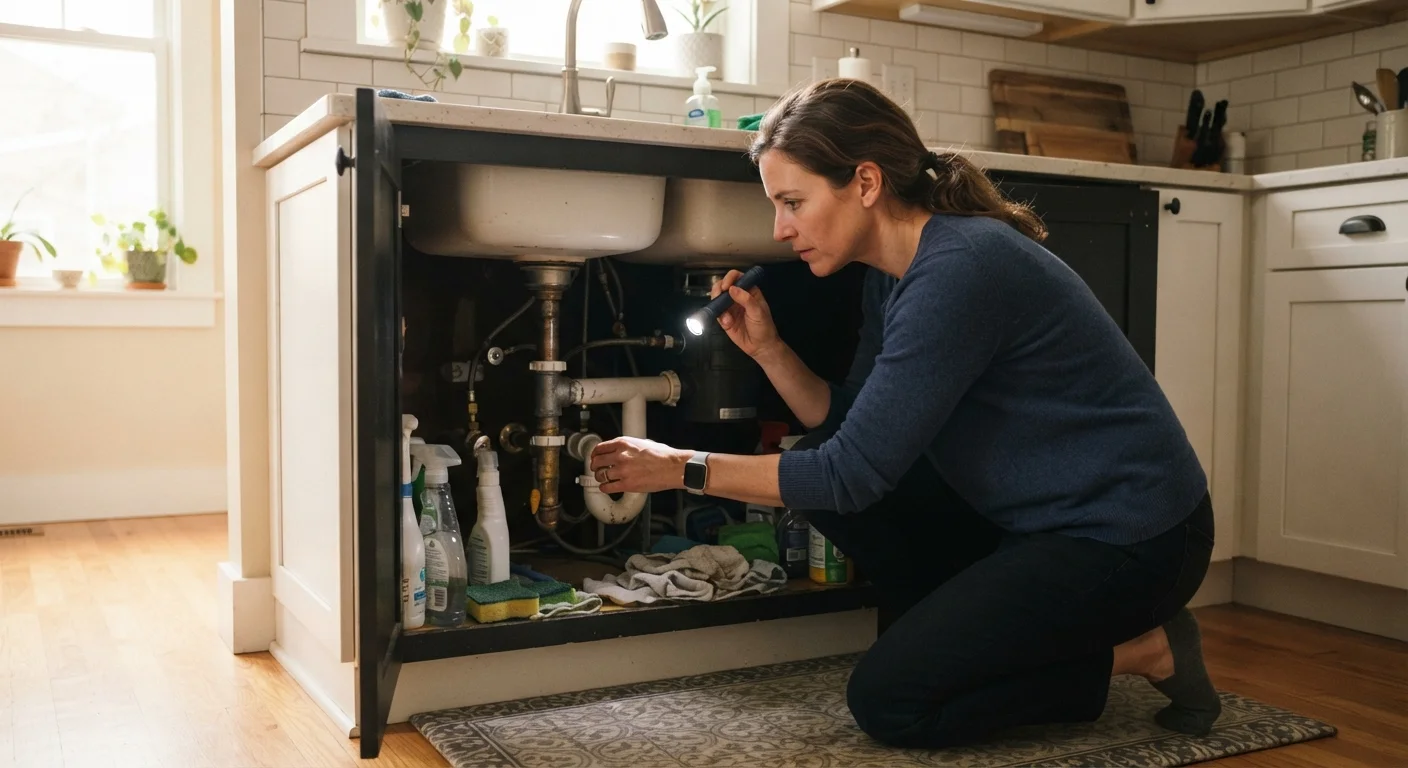
Check under sinks and around toilets for slow leaks every season.
Slow leaks are often invisible until they've caused cabinet rot, subfloor damage, or mold. A quick visual check of supply lines, drain connections, and the area around toilet bases takes only minutes but catches problems early.
Clean faucet aerators and showerheads every six months to maintain water flow.
Mineral deposits - especially in areas with hard water - gradually clog aerators and showerhead nozzles, reducing flow and increasing pressure on connected pipes. Regular cleaning restores efficiency without any special tools.
Test your toilet for silent leaks using the dye tablet method.
A running toilet can waste 200 or more gallons of water per day without making obvious noise. Flapper valves degrade over time, and this simple test identifies the problem before your water bill spikes.
Drain outdoor hose bibs and disconnect hoses before the first freeze.
Water left in exterior pipes or hoses expands when it freezes, which can crack the bib or the pipe behind it. This is one of the most preventable - and most commonly neglected - cold-weather plumbing failures.
Monitor your water pressure with an inexpensive gauge once or twice a year.
Residential water pressure should generally fall between 40 and 80 psi. Pressure consistently above 80 psi stresses appliances, joints, and supply lines, shortening their lifespan and increasing leak risk.
Safe Plumbing Tasks Most Homeowners Can Handle
The following practices are low-risk, require no permits, and can be completed with basic household tools. They form the backbone of any responsible preventive plumbing routine.
Beyond these quick actions, building a regular inspection habit - even quarterly - will help you spot patterns before they escalate. Pair these efforts with the seasonal home maintenance calendar to stay organized throughout the year.
When to Call a Licensed Plumber
Some plumbing work is not appropriate for DIY - either because it involves risk of serious injury, potential code violations, or damage that could affect your home's insurability. Understanding this boundary is just as important as knowing what you can do yourself.
Permits and Licensed Work: Check Your Local Rules
Plumbing permit requirements vary significantly by state, county, and municipality. What's considered minor repair in one jurisdiction may require a licensed plumber and inspection in another. Before starting any plumbing task beyond simple maintenance, contact your local building department to confirm what's allowed without a permit. Unpermitted work can void home insurance coverage and complicate future property sales.
Work that typically requires a licensed plumber includes: repairs to the main supply or sewer line, installation or replacement of water heaters (especially gas-connected units), any work requiring a permit in your municipality, and addressing significant water pressure loss that points to a systemic issue. Our guide on DIY home repairs and where the risks begin goes deeper into this boundary.
10%
Water wasted by household leaks annually
According to the U.S. Environmental Protection Agency, the average home's leaks account for nearly 10,000 gallons of wasted water each year.
$1,000+
Typical cost of water damage from a single pipe failure
Water damage claims are among the most common homeowner insurance claims in the U.S., with costs that can rise significantly depending on the affected area and materials.
Always verify what your local jurisdiction requires. Permit rules vary by state and county, and unpermitted plumbing work can create complications during home sales or insurance claims.
This article provides general home maintenance information for educational purposes. It is not a substitute for advice from a licensed plumber familiar with your home's specific systems and local codes.