

Key Takeaways
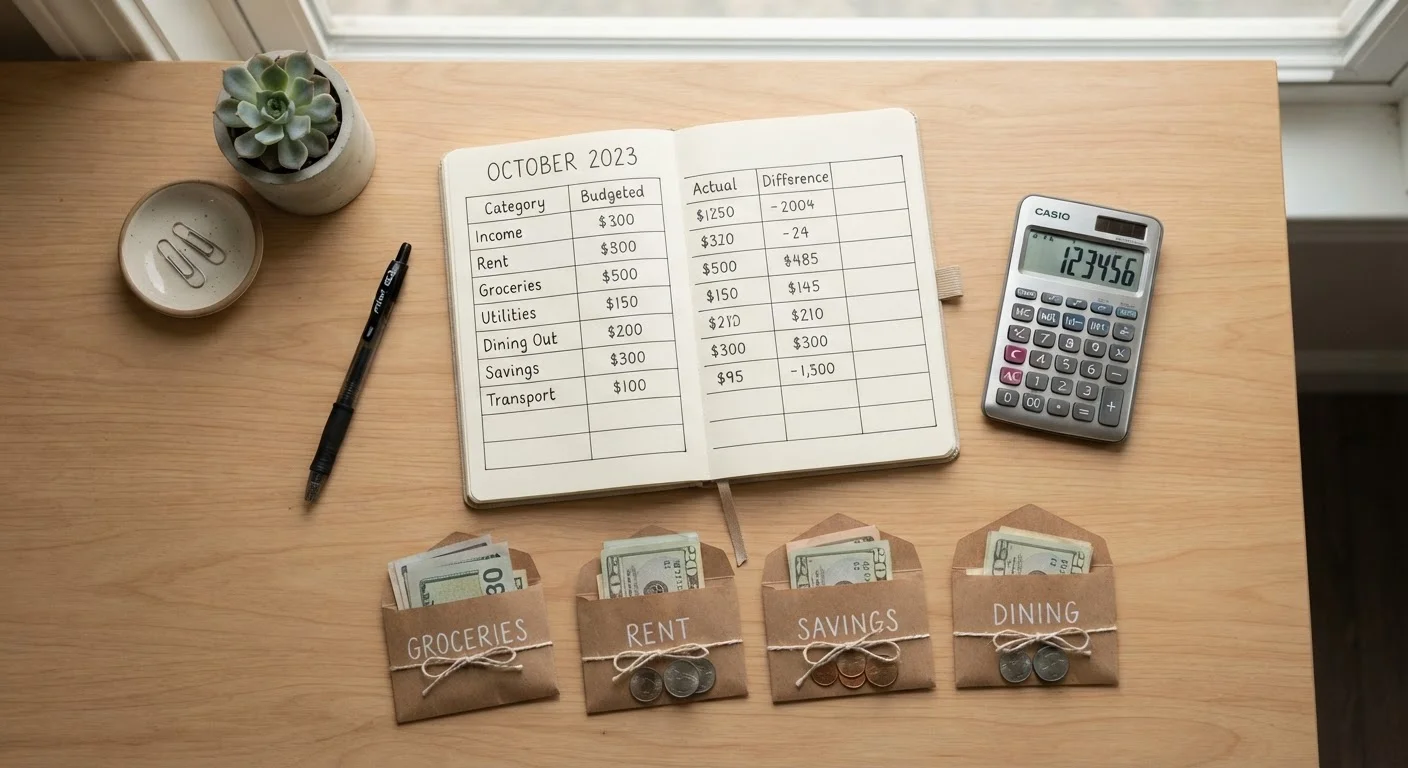
- Every dollar of income is assigned to a category before the month starts, leaving zero unallocated.
- Zero-based budgeting differs from percentage-based methods by requiring category-level decisions each period.
- It works especially well for people with variable spending patterns or those trying to eliminate debt.
- The method requires more upfront effort but gives you a clearer picture of where money actually goes.
- Savings and emergency fund contributions are treated as spending categories, not afterthoughts.
Zero-Based Budgeting
Zero-based budgeting (ZBB) is a method where you assign every dollar of your income to a specific category - expenses, savings, or debt repayment - until no unallocated dollars remain. The goal is that income minus all assigned spending equals zero. That doesn't mean spending everything; it means every dollar has a deliberate job. This approach forces you to be intentional about where money goes rather than letting it drift.
ZBB originated as a corporate financial planning tool in the 1970s and was later adapted for personal finance. In household budgeting, 'zero' refers to unassigned dollars, not your bank balance.
How Zero-Based Budgeting Actually Works
The mechanics are straightforward. At the start of each month, write down your total expected take-home income. Then list every category where that money will go: rent, groceries, utilities, transportation, subscriptions, dining out, clothing, debt payments, and savings. Assign a dollar amount to each category. Keep adjusting until the sum of all categories equals your total income - leaving zero dollars unassigned.
This is meaningfully different from simply tracking spending after the fact. You're making decisions before money moves, which changes your relationship with spending. If you want to add a new expense, you have to reduce something else. That friction is the point.
For a step-by-step introduction to monthly budgeting fundamentals, see our guide to building your first monthly budget.
Start With Last Month's Bank Statement
Before building your first zero-based budget, pull your last 30 days of transactions and group them into categories. This gives you a realistic baseline for what you actually spend - not what you think you spend. Most people are surprised by at least one category.
How It Differs From Other Budgeting Methods
Most popular budgeting frameworks divide income by percentage. The 50/30/20 rule, for example, suggests roughly half of income for needs, 30% for wants, and 20% for savings. These are useful starting points, but they leave room for vague interpretation - "wants" can stretch to cover a lot of unexamined spending.
Zero-based budgeting closes that gap. Instead of broad buckets, you name every category down to the dollar. There's no catch-all "miscellaneous" absorbing untracked spending. For a deeper look at how different frameworks compare, the 50/30/20 rule vs. envelope budgeting article covers the trade-offs across methods.
ZBB also requires you to rebuild the budget each month rather than rolling the previous month forward automatically. This feels like extra work - and it is - but it forces you to reassess whether last month's priorities still hold.
33%
Americans with a written monthly budget
According to Gallup survey data, roughly one-third of U.S. adults report maintaining a detailed household budget.
$1,000+
Median amount found in first ZBB audit
Financial educators commonly report that first-time zero-based budgeters identify significant untracked monthly spending when assigning categories for the first time.
Who Benefits Most From This Approach
Zero-based budgeting tends to deliver the clearest results for people who feel like money disappears without explanation, those carrying consumer debt who need a structured payoff plan, and households with irregular expenses that don't fit neatly into a fixed monthly template.
It's also particularly effective when you're working toward a specific financial goal - paying down credit card debt, building an emergency fund, or saving for a large purchase. Treating savings as a non-negotiable line item, rather than whatever is left over, changes outcomes. Our saving and emergency funds hub covers how to structure those contributions effectively.
That said, ZBB demands consistent attention. If your schedule doesn't allow for a monthly budget-setting session and regular category check-ins, a simpler framework may be more sustainable. There's no universally best method - only the one you'll actually maintain. The case for and against strict category budgets explores when this level of detail helps and when it creates more stress than clarity.
Common Pitfalls and How to Avoid Them
The most frequent mistake is building a budget that looks good on paper but doesn't reflect real life. Underestimating irregular expenses - car maintenance, annual subscriptions, medical co-pays - is almost universal among first-time ZBB users. Build a dedicated "sinking fund" category for these predictable-but-sporadic costs rather than hoping they don't show up.
A second pitfall is abandoning the system after one month of overspending. Overspending in a category isn't a failure - it's data. Adjust the next month's category amounts based on what you learned. Budgets are living documents, not contracts.
Finally, watch out for the misconception that budgeting requires either a high income or perfect discipline. If that belief is holding you back, the budgeting myths that keep people from starting article addresses these directly.
This article is for general informational and educational purposes only and does not constitute personalized financial advice. Consider consulting a licensed financial professional for guidance specific to your situation.