

Key Takeaways
- Review the vehicle history report before you set foot on a lot or driveway.
- A pre-purchase inspection by an independent mechanic is one of the highest-value steps you can take.
- Verify that the VIN on the dashboard matches the title, registration, and history report.
- Never skip a test drive that includes highway speeds, hard braking, and tight turns.
- Understand all fees and financing terms in writing before signing any paperwork.
Summary
24 items · 45-90 minutes on-site, plus research time before you visit
Why a Checklist Matters Before You Buy
Buying a used vehicle is one of the larger financial decisions most households make. Unlike purchasing a new car, you're inheriting whatever history the vehicle carries - maintenance gaps, accident repairs, odometer discrepancies, or undisclosed mechanical wear. A structured checklist keeps emotion out of the process and ensures you don't overlook something that's expensive to fix after the keys change hands.
If you're still weighing whether a used car is right for you at all, our guide to choosing between new and used covers depreciation, warranty implications, and financing differences in detail. Once you've committed to the used-car path, the steps below apply whether you're buying from a dealership or a private seller.
Vehicle History Report Service
Provides accident records, title history, odometer disclosures, and service entries tied to the car's VIN.
NHTSA Recall Database (nhtsa.gov)
Free federal database to check whether the specific vehicle has any open safety recalls.
Independent Pre-Purchase Mechanic
A qualified mechanic uninvolved with the sale performs a thorough inspection and documents any mechanical concerns.
Flashlight
Illuminates the undercarriage, engine bay corners, and interior areas that are hard to see in ambient light.
OBD-II Code Reader
Reads stored and pending diagnostic trouble codes from the vehicle's computer to surface hidden issues.
Market Pricing Reference Tool
Helps you establish a fair market value range for the vehicle based on mileage, condition, and your region.
Before You Visit: Research You Should Complete First
Arriving at an inspection without doing your homework puts you at an immediate disadvantage. Use the time before your visit to gather objective data so you can evaluate the car rather than just react to it.
Before You Visit
Physical Walk-Around
Interior and Systems Check
Test Drive
Documentation and Paperwork
Interpreting a vehicle history report correctly takes practice. Our dedicated article on reading a vehicle history report without missing the red flags walks through every section so you know what actually matters. Separately, safety ratings and recall data can expose issues that don't always show up in service records - see our guide on reading a used car's safety record before you commit for how to find and interpret that information.
At the Vehicle: Physical Inspection Points
Walk-arounds reveal problems that photos and descriptions routinely hide. Do this step in daylight on a flat, dry surface. Bring a flashlight and, if possible, a friend who can be a second set of eyes.
Never Inspect a Vehicle You're Serious About Alone
A seller who refuses to allow an independent mechanic to inspect the vehicle before purchase is a significant warning sign. You are not obligated to buy under time pressure or without complete information. Reputable private sellers and dealerships typically accommodate a pre-purchase inspection, and your willingness to walk away is your strongest negotiating protection.
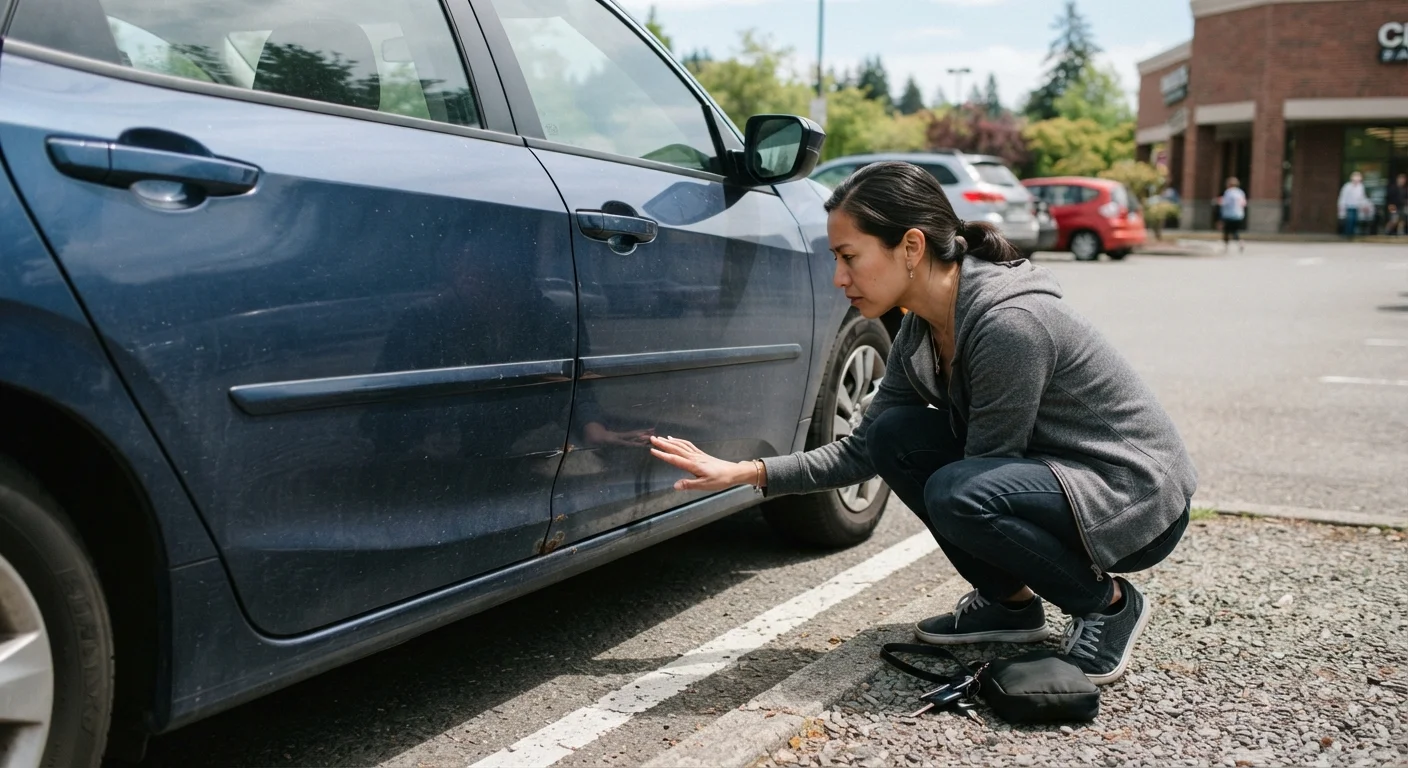
Pay particular attention to panel gaps, paint texture variations, and any signs of undercoating applied unevenly - these can indicate prior collision repairs. Check the engine bay for fluid leaks, corrosion on battery terminals, and the condition of visible belts and hoses. These are the same categories covered in a pre-trip maintenance review; our pre-long-trip vehicle check explains what each system looks like when it's healthy versus worn.
Paperwork and Financing: What to Verify Before Signing
The physical condition of the car is only part of the picture. Errors or omissions in documentation can create legal and financial headaches after the sale. Work through these steps methodically - no amount of enthusiasm for the vehicle is worth skipping them.
If you'll be financing the purchase, verify your financial position before committing to any loan terms. Our financial readiness checklist for loan applicants helps you assess your credit profile and debt load so you're not surprised by the rate you're offered. Keep in mind that auto loan terms, interest rates, and fees vary - comparing options from multiple lenders is generally in your interest, and this article is educational only, not personalised financial advice.
This checklist is for general informational and educational purposes. It does not constitute legal, financial, or mechanical advice. For significant concerns identified during inspection or documentation review, consult a qualified mechanic, attorney, or licensed financial professional as appropriate.