

Key Takeaways
- Start with how you actually want to use the space before choosing plants or materials.
- Define distinct zones for dining, lounging, and gardening to encourage regular use.
- Choose low-maintenance plants suited to your local climate and light conditions.
- Durable, weather-appropriate surfaces reduce upkeep and extend the season of use.
- Good lighting and privacy features make outdoor spaces usable into the evening and across seasons.
Why Most Gardens Go Unused
Many homeowners invest in landscaping only to find themselves rarely setting foot in the result. The garden looks fine from the window, but it doesn't draw people in. The reason is almost always the same: the space was designed around appearance rather than how people actually live and move.
Outdoor spaces that get used regularly tend to share a few traits - they're easy to access, they have a clear purpose, they're comfortable across a range of weather, and they don't demand constant upkeep just to look presentable. Getting these fundamentals right matters far more than any particular plant choice or paving style.
Know Your Local Conditions First
Before committing to any layout or plant selection, check your USDA Hardiness Zone and typical rainfall patterns for your region. What works beautifully in a Pacific Northwest garden may struggle in a hot, dry Southwest climate. Local cooperative extension offices are a reliable, free source of region-specific planting and landscaping guidance.
Core Principles for a Garden You'll Actually Use
The practices below reflect what landscape designers and experienced homeowners consistently identify as the difference between a garden that works and one that sits idle. They apply whether you have a small urban backyard or a sprawling suburban lot.
Define how you'll use the space before designing it.
Gardens that go unused are almost always the result of designing for aesthetics before function. Knowing whether you want to entertain, grow food, play with kids, or simply relax shapes every subsequent decision - from hardscape to plant choices.
Create clearly defined zones for different activities.
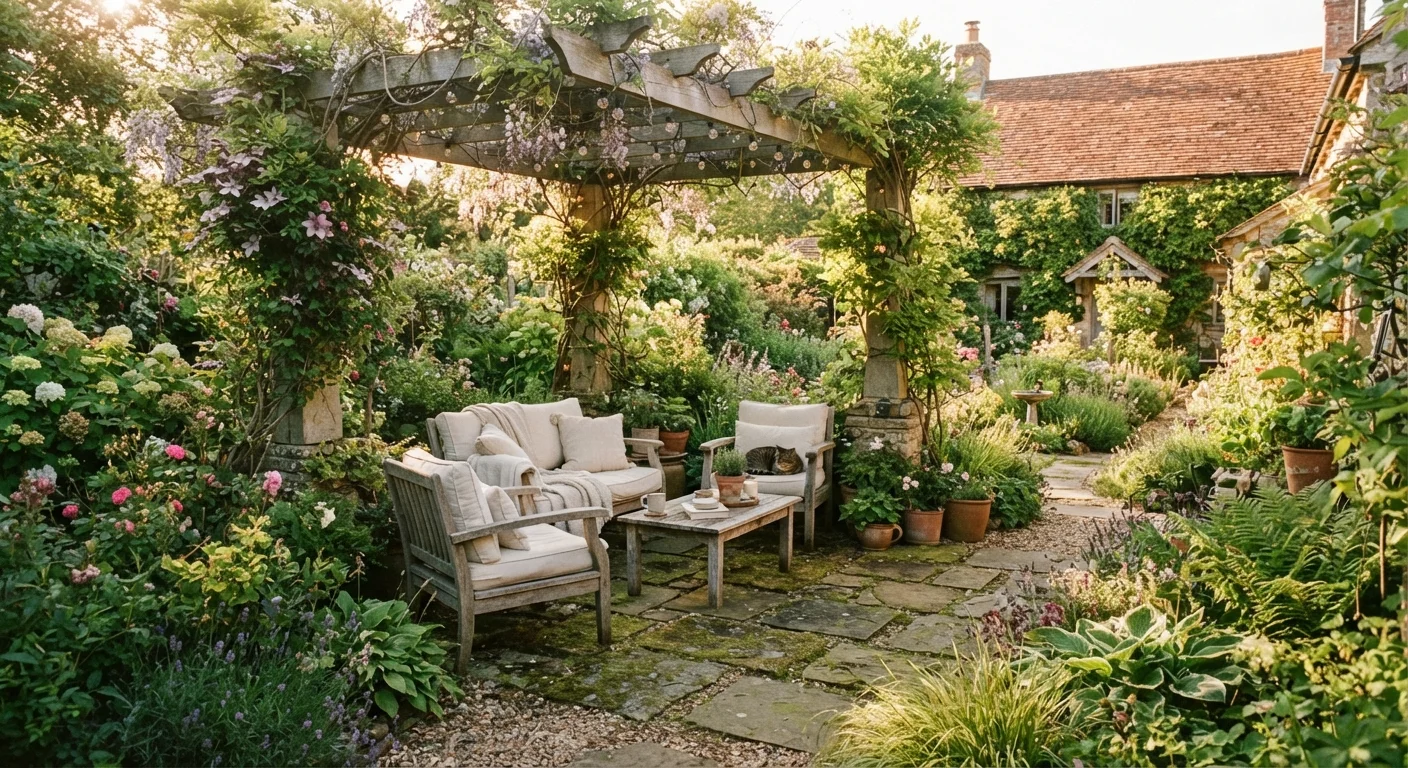
Zoning transforms a yard into a livable space by giving each area a clear purpose. It also makes the garden feel larger by creating visual depth and encouraging people to move through it.
Select plants matched to your site's actual light and soil conditions.
Plants placed in the wrong conditions require constant intervention to survive. Choosing species suited to what your yard already offers - shade tolerance, drought resistance, soil pH - dramatically reduces maintenance and improves long-term success.
Mix perennials with seasonal annuals for continuous colour.
Relying entirely on annuals creates a high-effort, high-cost garden that needs replanting each year. A backbone of perennials provides structure and returns each season, while annuals fill gaps with colour. Our guide on annual vs. perennial plants breaks down how to combine them effectively.
Install adequate lighting to extend usable hours.
Most outdoor spaces are abandoned at dusk simply because they're not lit. Low-voltage path lighting, string lights above a dining area, and subtle uplighting in planting beds add safety, atmosphere, and hours of usability without major electrical work.
Build in privacy without fully enclosing the space.
A sense of enclosure makes outdoor spaces feel like true rooms. But solid walls or tall fencing can feel oppressive and block airflow. Strategic screening with trellises, layered plantings, or partial screens achieves privacy while keeping the space open and airy.
If your yard has challenging topography, landscaping on a slope requires additional planning around drainage and erosion before you layer in any of the above. Similarly, if you're weighing whether to grow food, our comparison of raised beds vs. in-ground planting can help you choose a method that fits your available space and time.
Quick Steps to Take This Weekend
You don't need a full redesign to start improving how your outdoor space feels and functions. These immediate actions can shift how often and how comfortably you use your garden.
Making the Space Work for the Long Term
“The best garden is the one you actually spend time in. Design for your habits and your comfort first - beauty will follow.”
— Thomas Church, Pioneering American landscape architect and author of 'Gardens Are for People'
Sustaining a garden you enjoy using comes down to reducing friction. That means choosing surfaces and plants that don't demand constant attention, building in small comforts like shade and seating early, and being willing to edit the design as your needs change.
Consider inviting more of the natural world in, too - a wildlife-friendly garden approach can make your space feel more alive with very little added effort. And if you're weighing low-maintenance surface options, it's worth reading a balanced overview of artificial turf in residential gardens before committing. For broader project ideas, the Home Improvement hub covers renovation and upgrade decisions across your entire property.
The garden that gets used is rarely the most elaborate one - it's the one that fits how you actually live.